PVDF 90 درجة الكوع
مواصفات المنتج: DN15 (D20)، DN20 (D25)، DN25 (D32)، DN32 (D40)، DN40 (D50)، D...

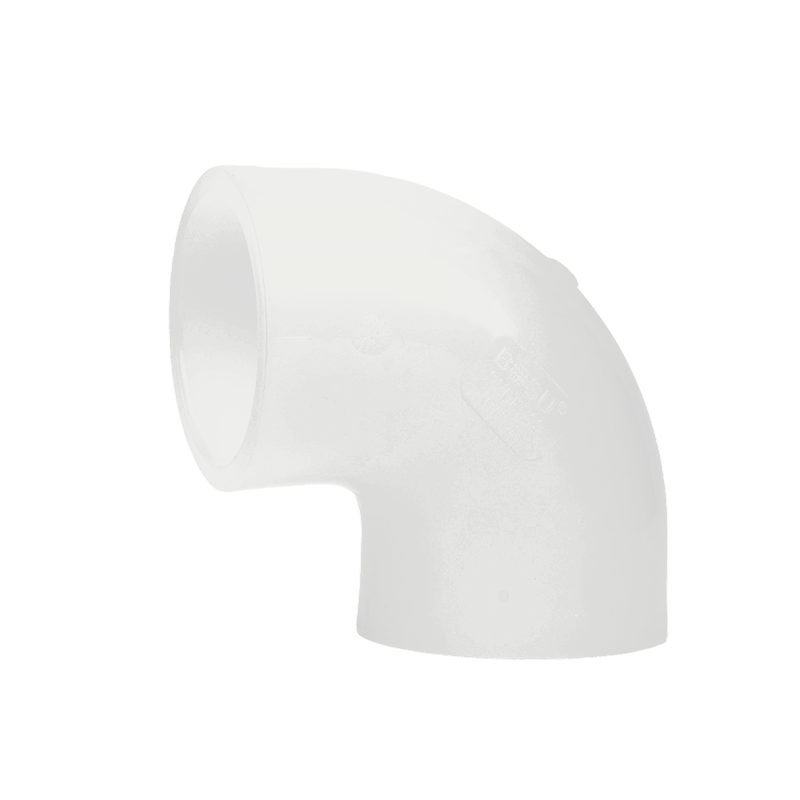
مواصفات المنتج: DN15 (D20)، DN20 (D25)، DN25 (D32)، DN32 (D40)، DN40 (D50)، D...
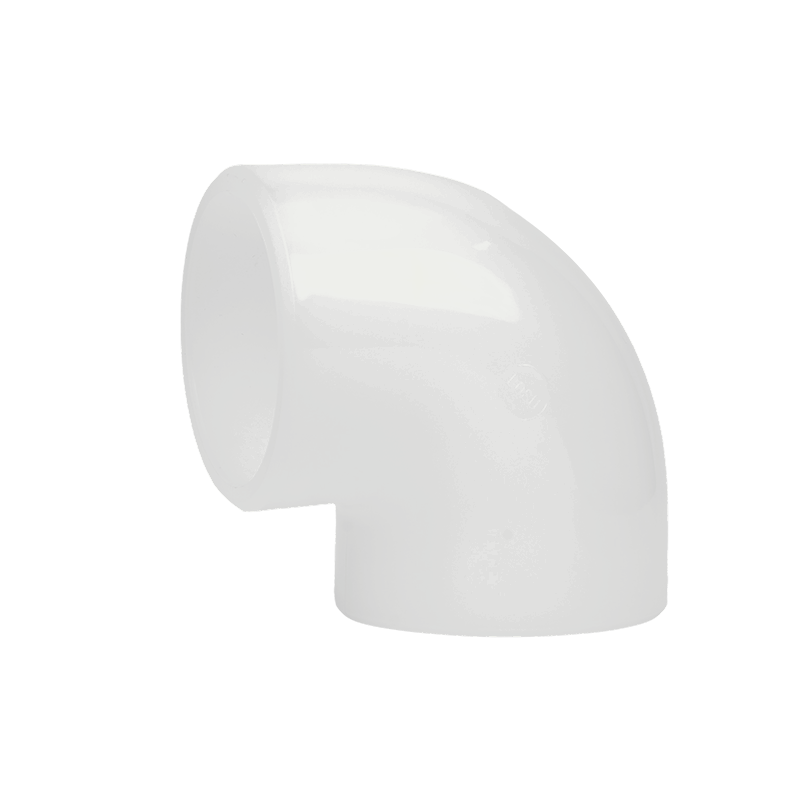
مواصفات المنتج: DN15 (D20)، DN20 (D25)، DN25 (D32)، DN32 (D40)، DN40 (D50)، D...

مواصفات المنتج: DN15 (D20)، DN20 (D25)، DN25 (D32)، DN32 (D40)، DN40 (D50)، D...
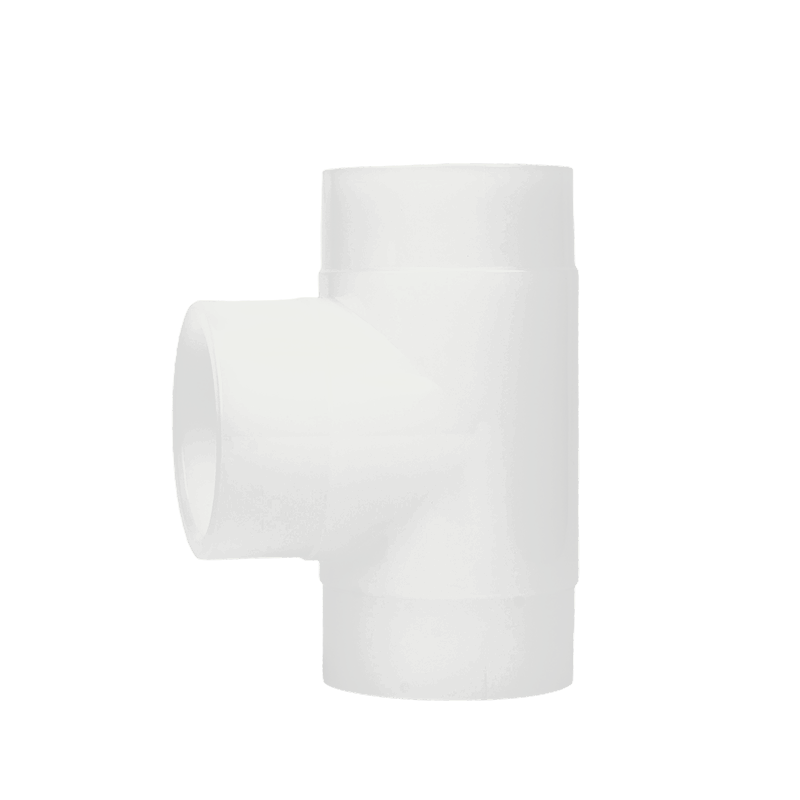
مواصفات المنتج: DN15 (D20)، DN20 (D25)، DN25 (D32)، DN32 (D40)، DN40 (D50)، D...



كان لدى طاقم الإغلاق في مصنع كيماويات وظيفة واحدة متبقية قبل إعادة التشغيل: استبدال حشية التسرب الموجودة على صمام بطول اثني عشر مترًا داخل خط PPH ملحوم بالكامل. كان قطع الأنبوب يعني بكرة جديدة، ولحامًا جديدًا، وانتظار تبريد، واختبار ضغط ثانيًا، وأربع ساعات إضافية وفقًا للجدول الزمني دون الحاجة إلى أي شيء. كان من ...
عرض المزيدشراء صمام كروي بلاستيكي عن طريق طرح السؤال "هل تبيعه؟" هذه هي الطريقة التي تنتهي بها المشاريع إلى الدفع مرتين. إن ما يقرر في الواقع ما إذا كان الصمام الكروي البلاستيكي يعمل بهدوء لمدة خمس سنوات أو يفشل في أول ظهور له، هو مادة الجسم، ومطاط الختم، وكيفية ربط جسم الصمام بالأنبوب - وليس سعر الوحدة على ورقة عرض الأسعا...
عرض المزيداثنان من أدوات التركيب، وملف واحد مكون من 2 في أنبوب PVDF وصندوق محولات شفة DN 50. يصل كل شيء في الموعد المحدد ولا يوجد شيء مناسب: يبلغ طول الأنبوب 60.3 ملم من الخارج، في حين يتم تصنيع المحول ليبلغ قطره الخارجي 50 ملم. لا يوجد أي تسمية خاطئة. تنتمي الأجزاء ببساطة إلى نظامين مختلفين للحجم، ونظام IPS هو النظام الذي...
عرض المزيد
مواصفات المنتج: DN15 (D20)، DN20 (D25)، DN25 (D32)، DN32 (D40)، DN40 (D50)، D...
عرض المزيد
مواصفات المنتج: DN15 (D20)، DN20 (D25)، DN25 (D32)، DN32 (D40)، DN40 (D50)، D...
عرض المزيد
مواصفات المنتج: DN15 (D20)، DN20 (D25)، DN25 (D32)، DN32 (D40)، DN40 (D50)، D...
عرض المزيد
مواصفات المنتج: DN15 (D20)، DN20 (D25)، DN25 (D32)، DN32 (D40)، DN40 (D50)، D...
عرض المزيد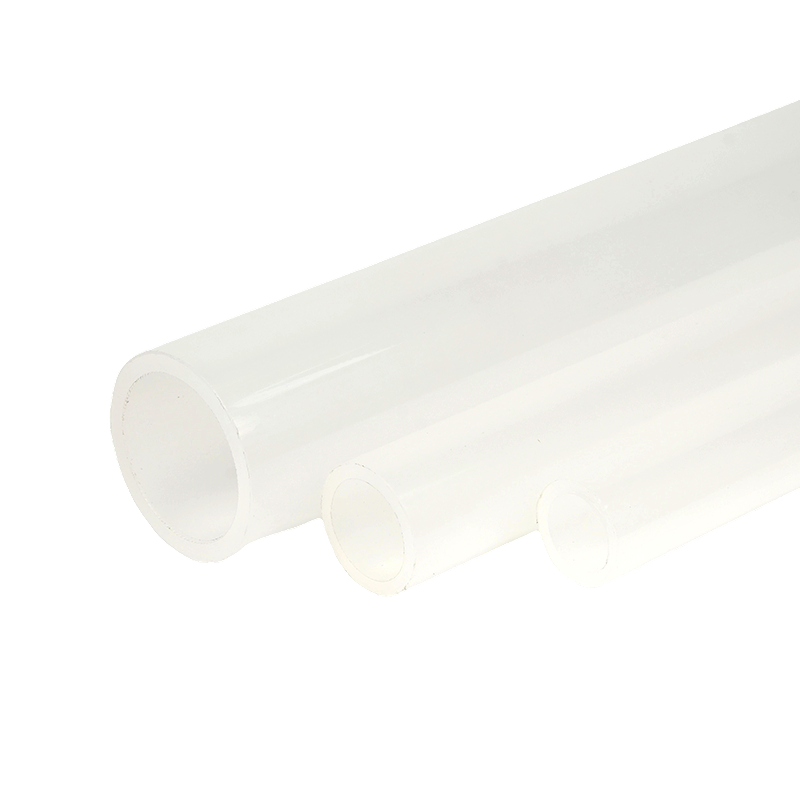
مواصفات المنتج: DN65 (D75)، DN80 (D90)، DN100 (D110)، DN100 (D125)، DN150 (D1...
عرض المزيد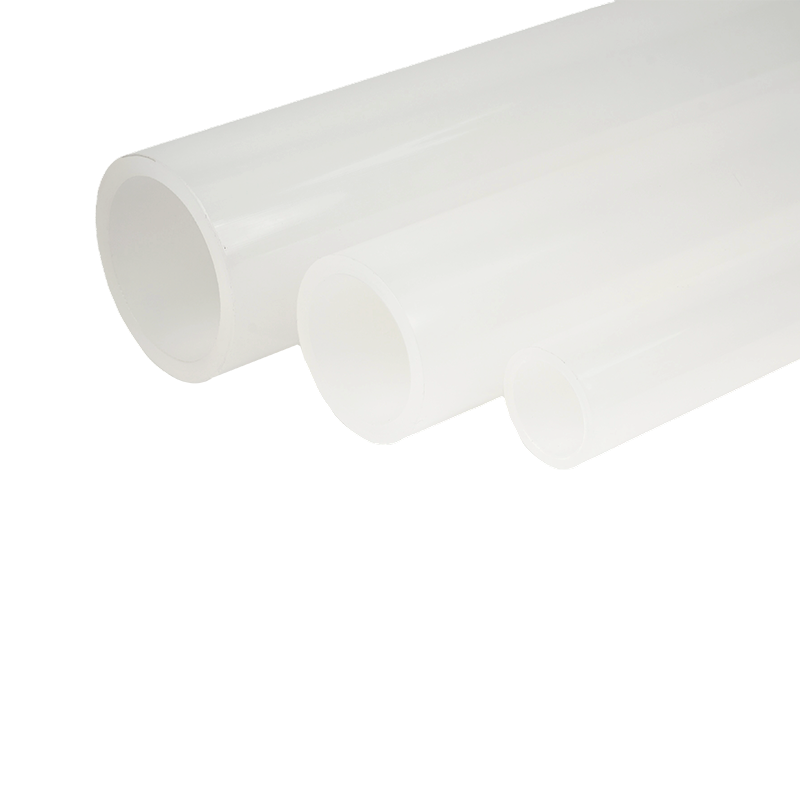
مواصفات المنتج: DN15 (D20)، DN20 (D25)، DN25 (D32)، DN32 (D40)، DN40 (D50)، D...
عرض المزيدWhat are the connection methods for PVDF fittings?
1. Butt Fusion: Using a specialized butt fusion machine, the pipe ends are heated and melted at a specified temperature, then aligned and pressed together. After cooling, a seamless, leak-free connection is formed. This is the most common connection method for PVDF pipes and is suitable for high-pressure and clean systems.
2. Socket Fusion: The pipe is inserted into a preheated socket sleeve. After melting, it is quickly inserted and cooled, resulting in a strong connection that is easy to assemble quickly on-site.
3. Electrofusion: Using electrofusion fittings with built-in resistance wires, heat is generated by applying electricity to achieve fusion. This is suitable for situations where it is difficult to use a butt fusion machine on-site, especially common in long pipe sections or bends.
4. Flange Connection: A mechanical seal is achieved using flanges, bolts, and gaskets. This facilitates maintenance and replacement and is commonly used in large pipelines or systems requiring frequent maintenance. 5. Threaded/Compression Connections
Threaded connections allow for quick assembly via threaded engagement. Compression connections (such as ferrules) utilize the interlocking of a sleeve and pipe to form a seal, suitable for small-diameter or low-pressure systems.
What are the common specifications and dimensions of PVDF Fittings?
1. Pipe Diameter and Wall Thickness (Nominal Diameter DN)
Common outer diameter range: 20mm~110mm, wall thickness from 2.3mm to 12.3mm, meeting various industrial needs from small to medium diameters.
2. Standard Size Series
ISO10931 (SDR21S10): Applicable to Butt Fusion and Socket Fusion fittings, covering the entire range of DN20-110.
ISO15494 (SDR11): Provides lightweight solutions with thinner wall thicknesses for welded fittings at higher pressure levels.
3. Special Specifications
Heat shrink tubing sizes: Customizable from 3/64in (≈1.2mm) to 1in (≈25.4mm) to meet micro-conduit or electrical insulation needs.
Sheet and Rod Stock: Sheet thickness 1mm~50mm, standard sizes 1200mm×2400mm or 2000mm×3000mm; Rod diameter 5mm~110mm, weight can be calculated in kg/m.
4. Pressure Ratings
Available in PN10 and PN16 pressure ratings, suitable for high-requirement industries such as chemical, pharmaceutical, and aerospace.
المنتجات
معلومات عن الشركة
العنوان: رقم 55 طريق هايتشوان، منطقة التكنولوجيا الفائقة، مدينة دونجتاي، مقاطعة جيانغسو، الصين
الجوال: +86 137 7009 5258
الهاتف: +86-515-85479999
البريد الإلكتروني: [email protected]
نود سماع رأيك!
